

Thinking that changes how teams work.
Scrum, Kanban, flow, product ownership and leadership, written by the people who train and coach teams every week.
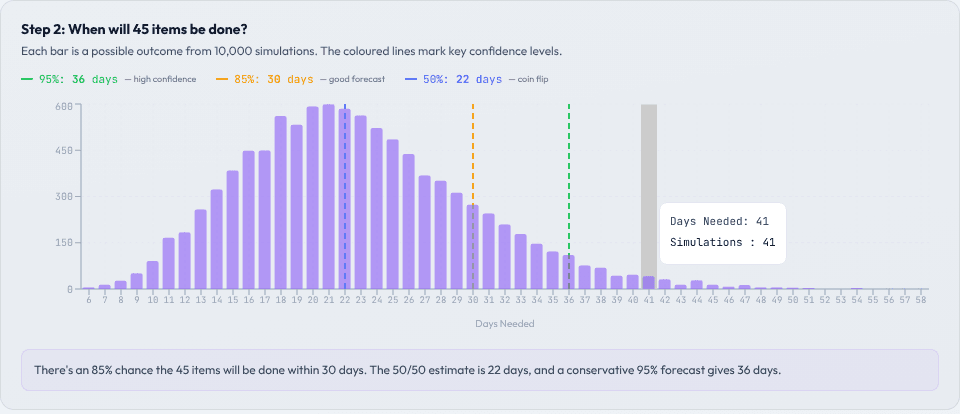
When Will It Be Done? Forecast From Flow
Why estimates keep failing, what data your team already has, and a Monte Carlo forecast you can run on this page with a real team's numbers or your own.
Interactive Labs vs Classroom Training
Compare simulation-driven learning with classroom training. Why labs let you experiment and fail safely, and why the best training uses both.
Right-Sizing and Probability Forecasting
Why right-sizing beats estimation, how Monte Carlo simulation works, and why probability forecasting gives honest answers to 'when will it be done?'
Evidence-Based Management: Measure Value
The 4 Key Value Areas of Evidence-Based Management, why velocity destroys teams, and how EBM connects strategy to delivery with real outcomes.
OKRs in Product Management: Outputs to Outcomes
Learn why most OKR implementations fail, the difference between output and outcome key results, and how AI can help validate OKRs for product teams.
The AI-Augmented Product Owner
How AI transforms the Product Owner role with synthetic user research, AI-assisted refinement and automated prototyping, with humans in charge.
Product Ownership in a World of AI
Which Product Owner fundamentals AI doesn't change, such as vision, stakeholders and value, and which practices it transforms, from research to validation.
Scrum Mastery in a World of AI
How AI augments the Scrum Master role with retrospectives, impediment analysis and team health insights, while human coaching matters more than ever.
Why Kanban Matters: Flow Over Frameworks
Kanban is a method for managing flow, not a framework. Why flow thinking outperforms framework-following, and the three core practices that matter.
Kanban Practices Every Scrum Team Should Adopt
Scrum and Kanban aren't competitors. How WIP limits, flow metrics alongside velocity and visualising work beyond the board improve Scrum delivery.
Why Your Agile Transformation Failed
Most agile transformations install frameworks instead of redesigning operating models. What to do instead, with value streams and AI-augmented change.
Little's Law: The Equation Every Manager Needs
Little's Law in plain English, with examples from drive-throughs, software teams and hospital queues. The one equation that exposes impossible commitments.
Death of the Estimate: Throughput vs Story Points
Why story point estimation wastes time, how throughput-based forecasting works, and a practical guide to moving from estimation to flow-based prediction.
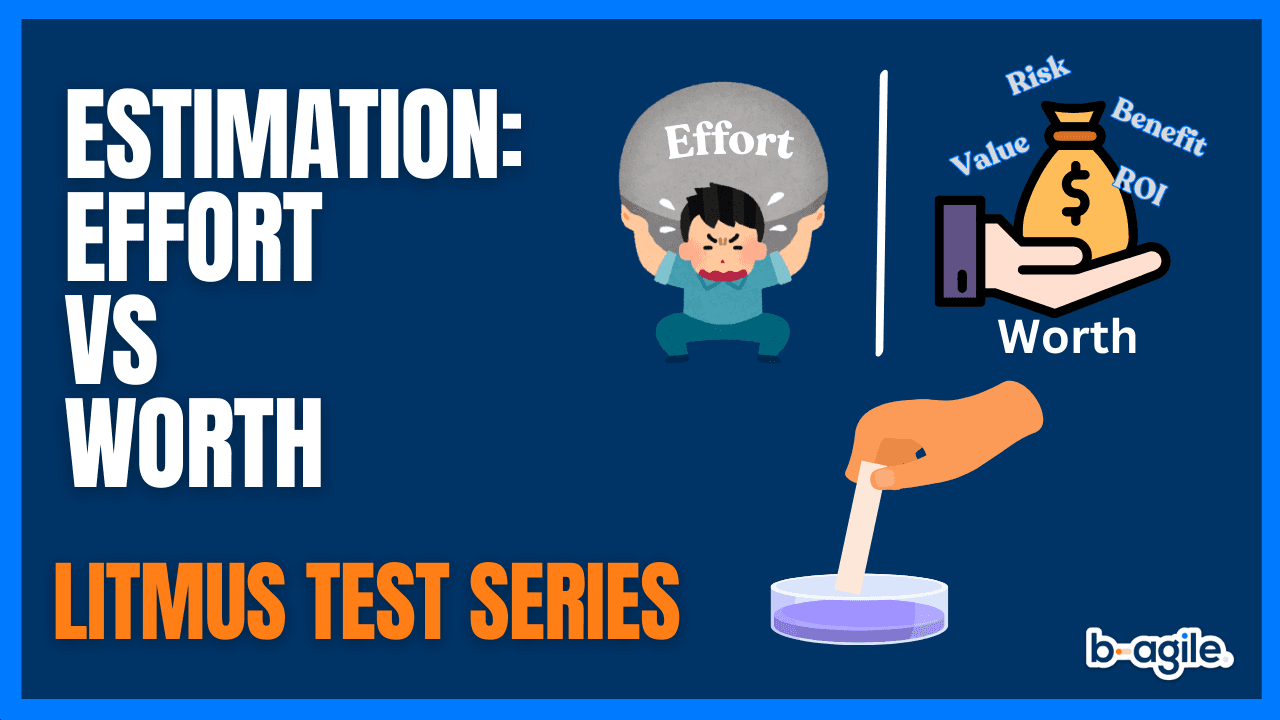
Estimation Is for Deciding, Not Predicting
Ask what an estimate is for and you learn how a team thinks. Part 2 of the litmus series separates effort from worth, with red and green flags.
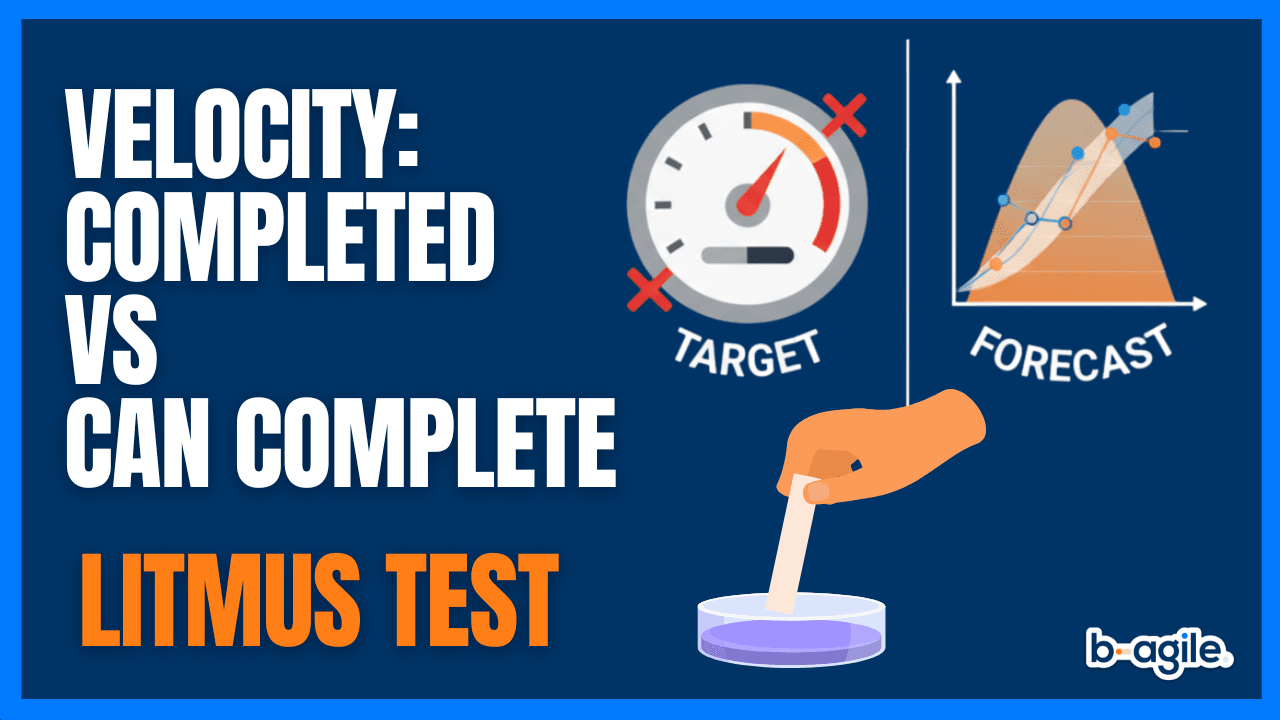
Velocity Is a Result, Not a Target
One question, 'What is velocity?', shows whether someone understands agile or just speaks it. Part 1 of the litmus series on real understanding.
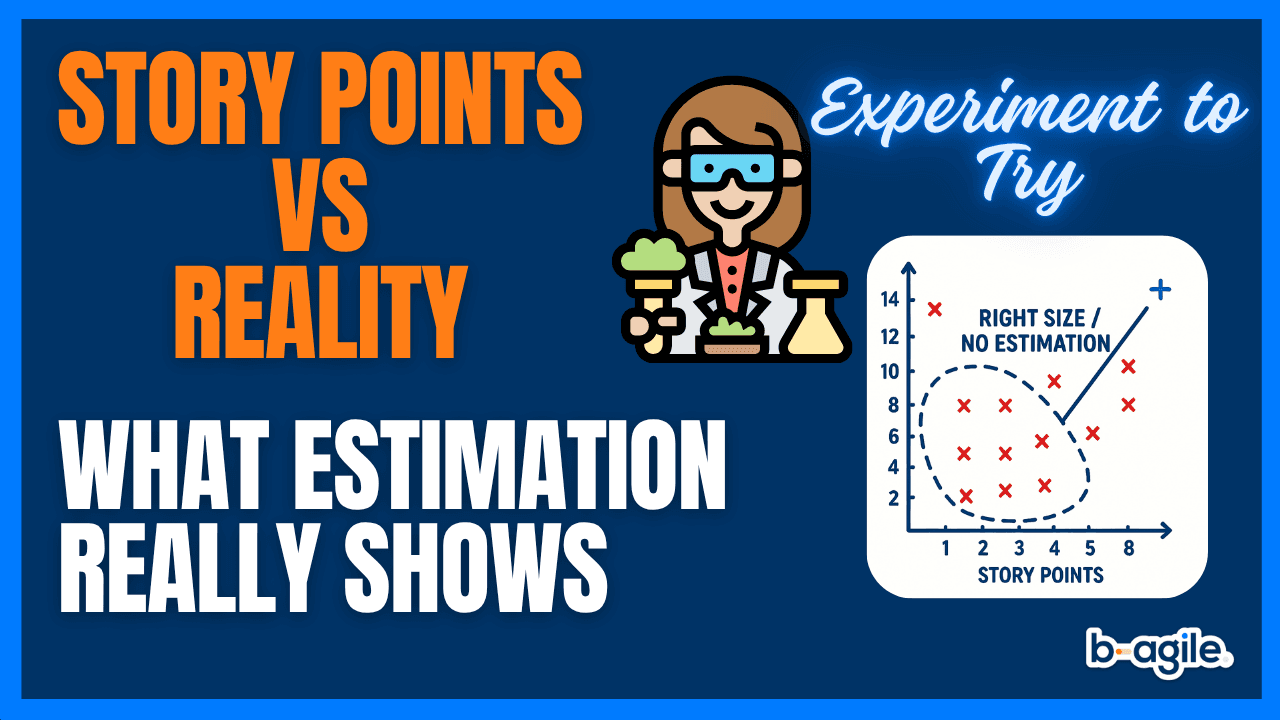
Story Points vs Reality: What Estimates Show
Plot story points against cycle time and the neat pattern breaks. A simple team experiment showing why size is a signal, not a prediction.
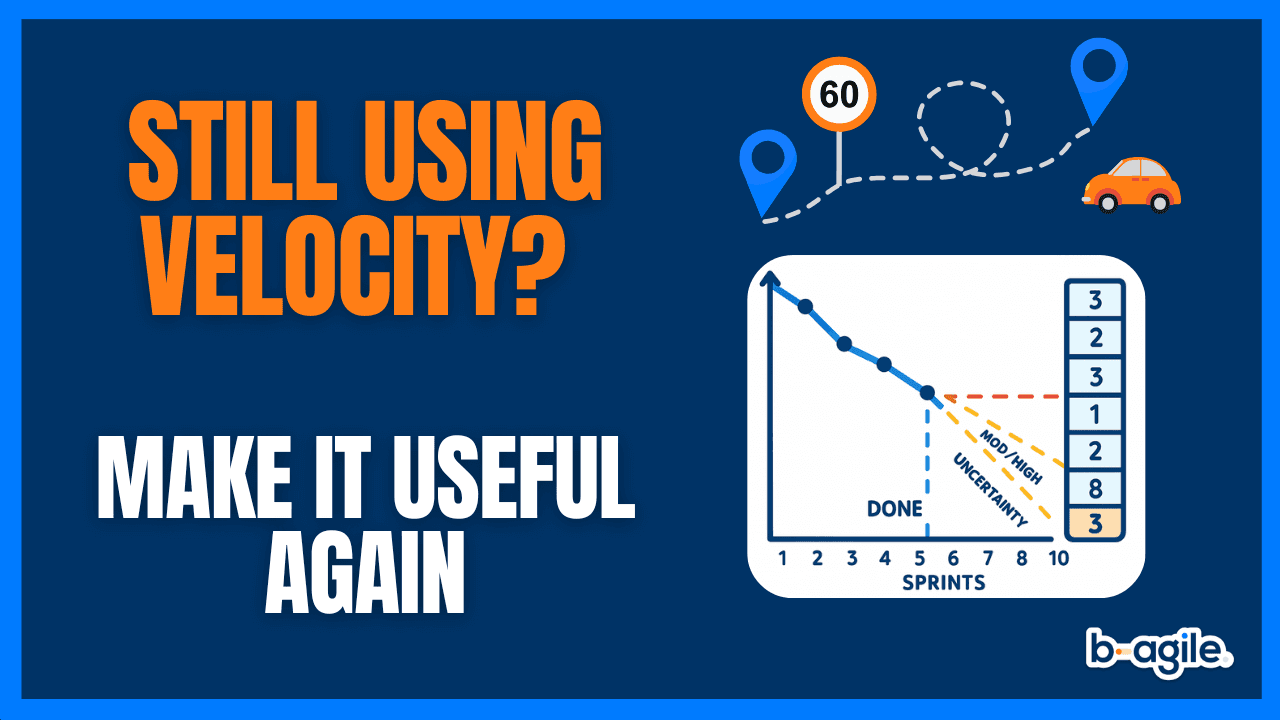
Still Using Velocity? Make It Useful Again
Your team already has velocity data. Use its range, not its average, add a cone of uncertainty to the burndown, and the numbers become a talk about risk.
Velocity. It’s Not What You Think It Is
Velocity is a result, not a target. Learn what it measures, where teams go wrong, and how to turn it into a forecast you can be honest about.
Estimation Isn't Broken. The Thinking Might Be.
Story points, hours or nothing at all: the technique matters less than the mindset. Why every estimate is a forecast and how to make yours useful.
Queuing Theory and Operations Research
Queues are everywhere, from the bank to your delivery pipeline. Chris explains queuing theory, Kendall notation, a worked simulation and Little's Law.
Little’s Law: Understand your Process
Little's Law links work in process, cycle time and throughput. What it says, the five assumptions behind it, and what a coffee queue shows.
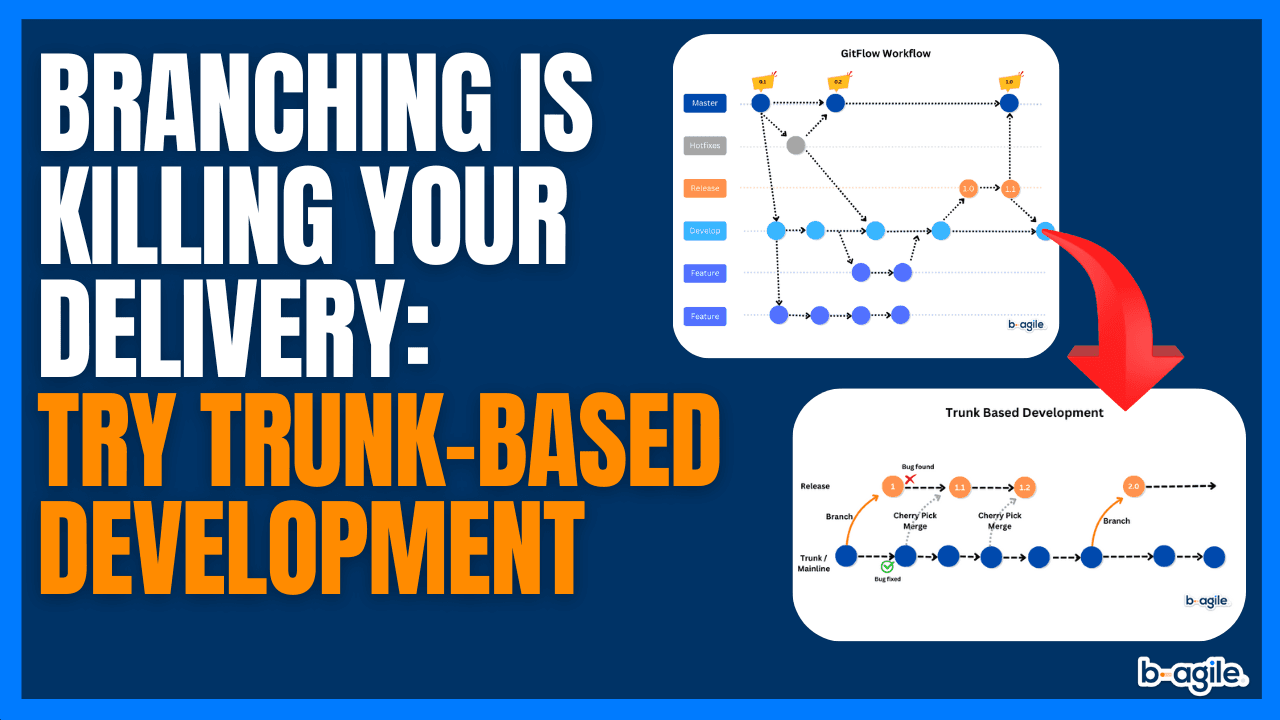
Trunk-Based Development vs Long-Lived Branches
Long-lived branches hide weak automation and slow feedback. Why high-performing teams integrate on trunk, and five practices that make it safe.
Scrum: A Framework for Opportunistic Discovery
Product development is complex work full of unknowns. How the Cynefin framework explains why fixed plans fail and why Scrum's feedback loops fit.
Nuffield: Is it Customer Service?
A gym's three-strikes rule for forgotten cards cost it a member. Chris uses it to show what happens when a company confuses its strategy with its policies.
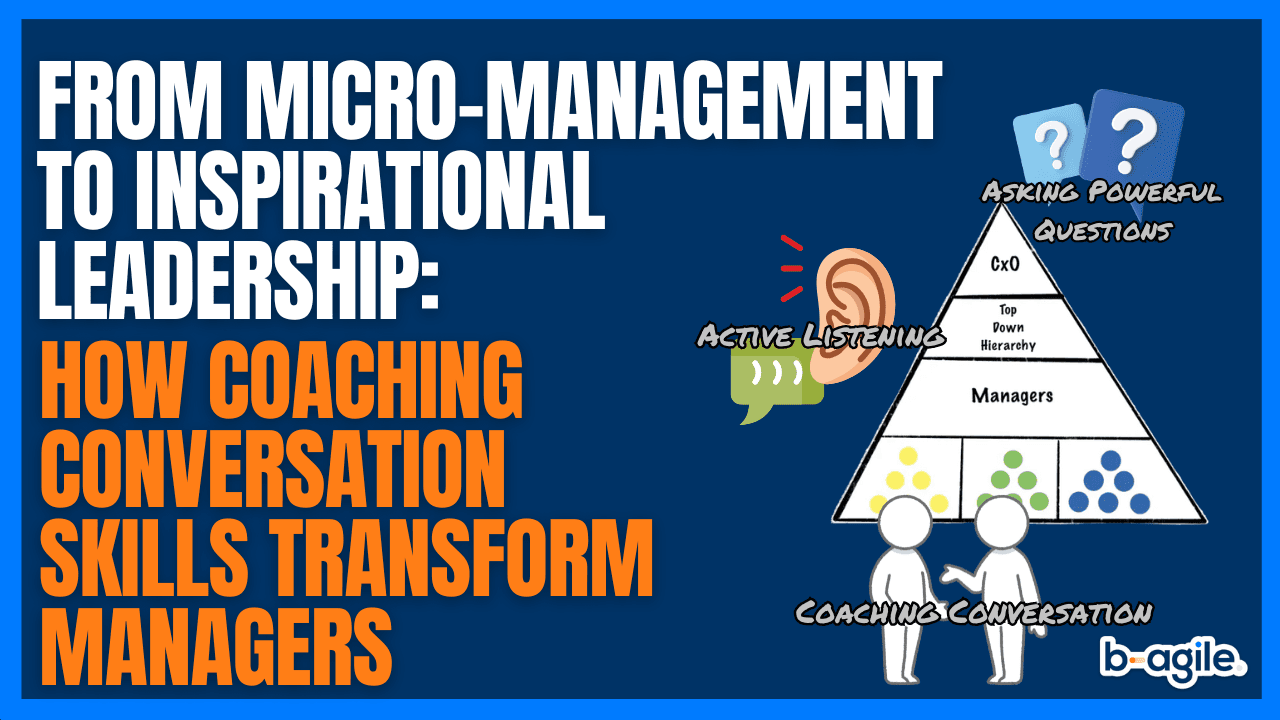
From Micro-Management to Inspirational Leadership
Micro-management slows decisions and drains innovation. Three coaching skills, listening, powerful questions and the coaching conversation, change that.

Scrum Masters and Agile Coaches: You Got the Power
The market is tough for Scrum Masters and agile coaches. Chris lists the skills you already have in abundance and why they are enough to make your path.
The Art of the Coaching Conversation
Coaching is a leadership skill you can learn in an afternoon and use the same day. What the ICAgile Coaching Conversations micro-credential covers.
Can AI Generate High-Quality Code?
We asked ChatGPT to solve the Prime Factors kata with and without TDD. The code worked but skipped the baby steps. What that means for quality.
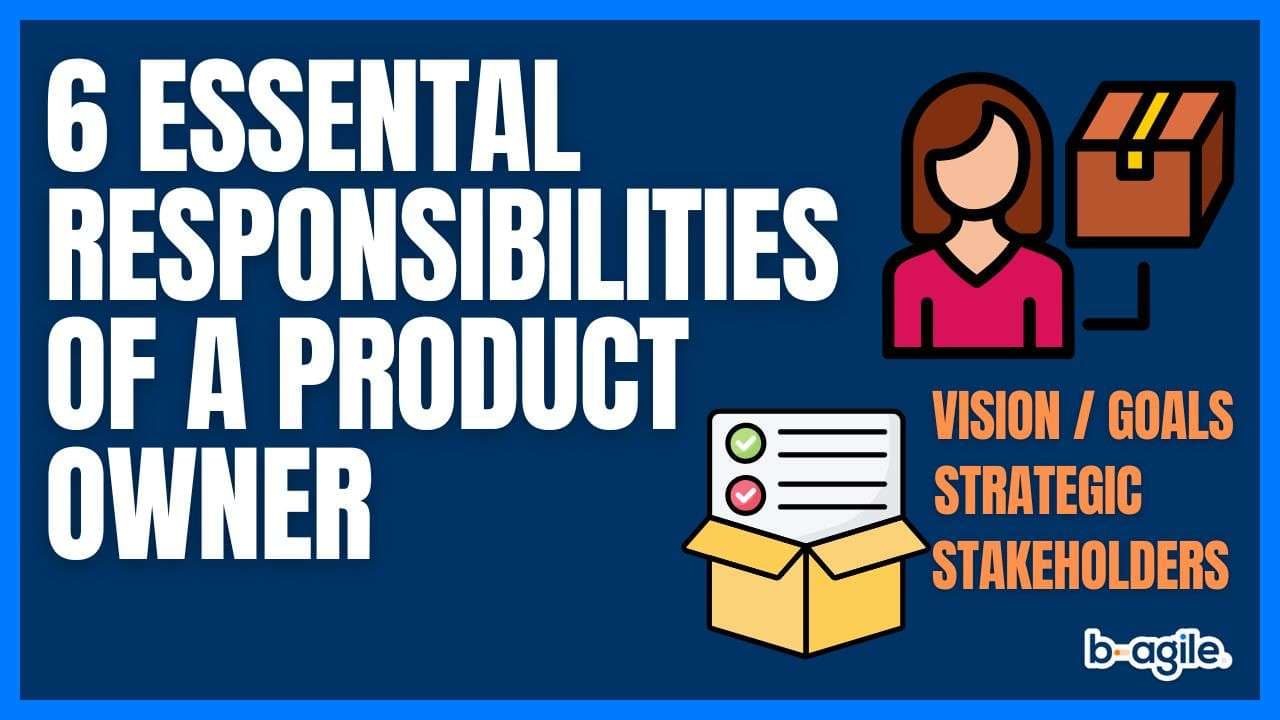
6 Essential Responsibilities of a Product Owner
The Scrum Guide says what a Product Owner is accountable for, not how. Here are six responsibilities that turn that accountability into daily practice.
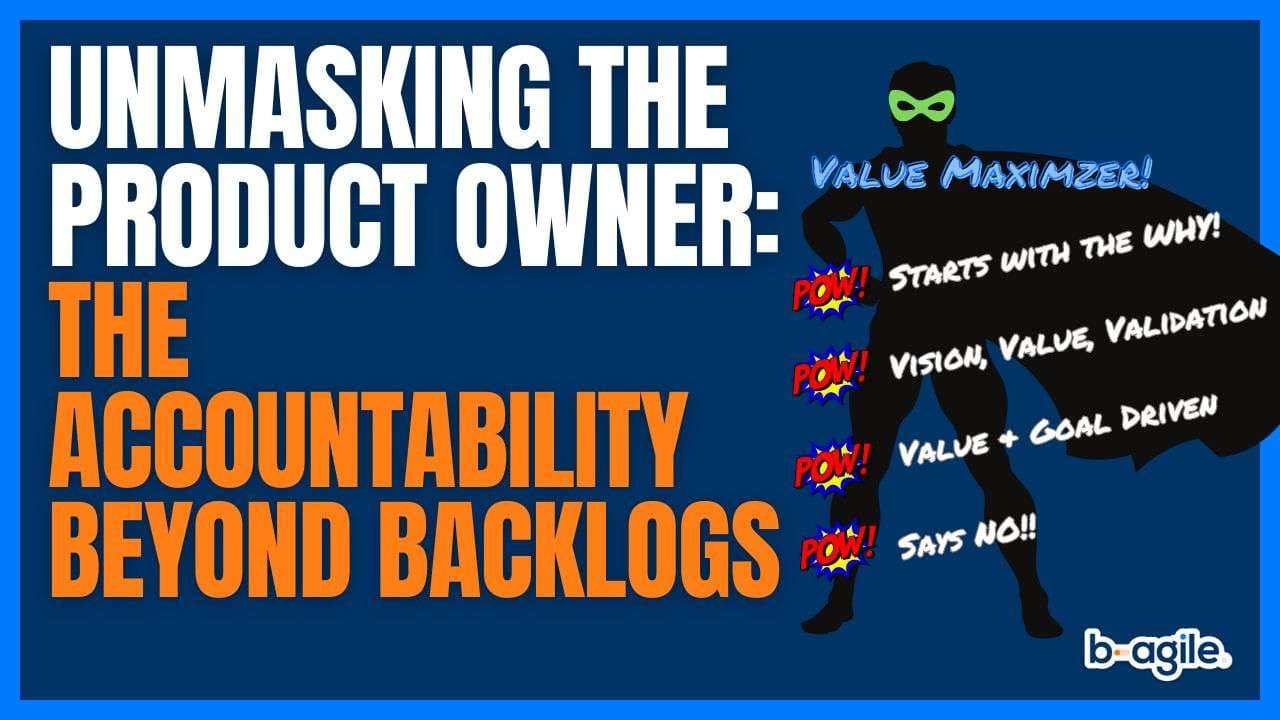
Unmasking the Product Owner Accountability
The Product Owner is not a backlog manager. Alex unpacks the one accountability that matters, maximising value, and the shift from projects to products.
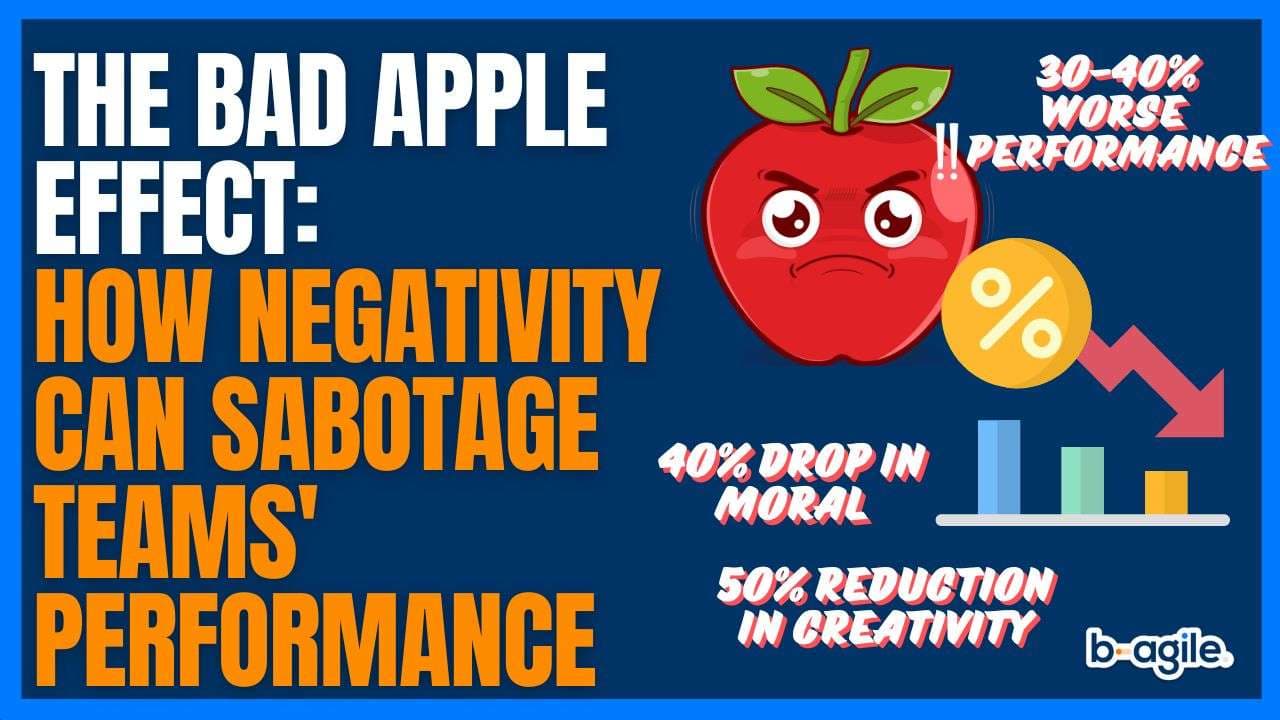
The Bad Apple Effect: Negativity in Teams
One negative person can drag down a whole team. Alex connects a 2006 study on the bad apple effect to his sons' football teams and to agile teams at work.
Why Agile Fails: The Mindset Organisations Miss
People crave the success, not the journey. Why organisations copy agile practices without the values, the project paradox that exposes it, and a reset.
What is Scrum? Uncovering Its True Essence
Most people describe Scrum's mechanics. This is about its purpose: empiricism, the values, the Done Increment as a thermostat, and Scrum as a mirror.
Should I Become a Scrum Master? 10 Questions
Thinking about becoming a Scrum Master? Ten honest questions about leading, facilitating and letting go, plus what the role pays in Europe.
What is a Scrum Master? The True Role Revealed
A Scrum Master is not a project manager in agile clothing. The real accountability, the six stances, the mottos, and why holding two roles is hard.
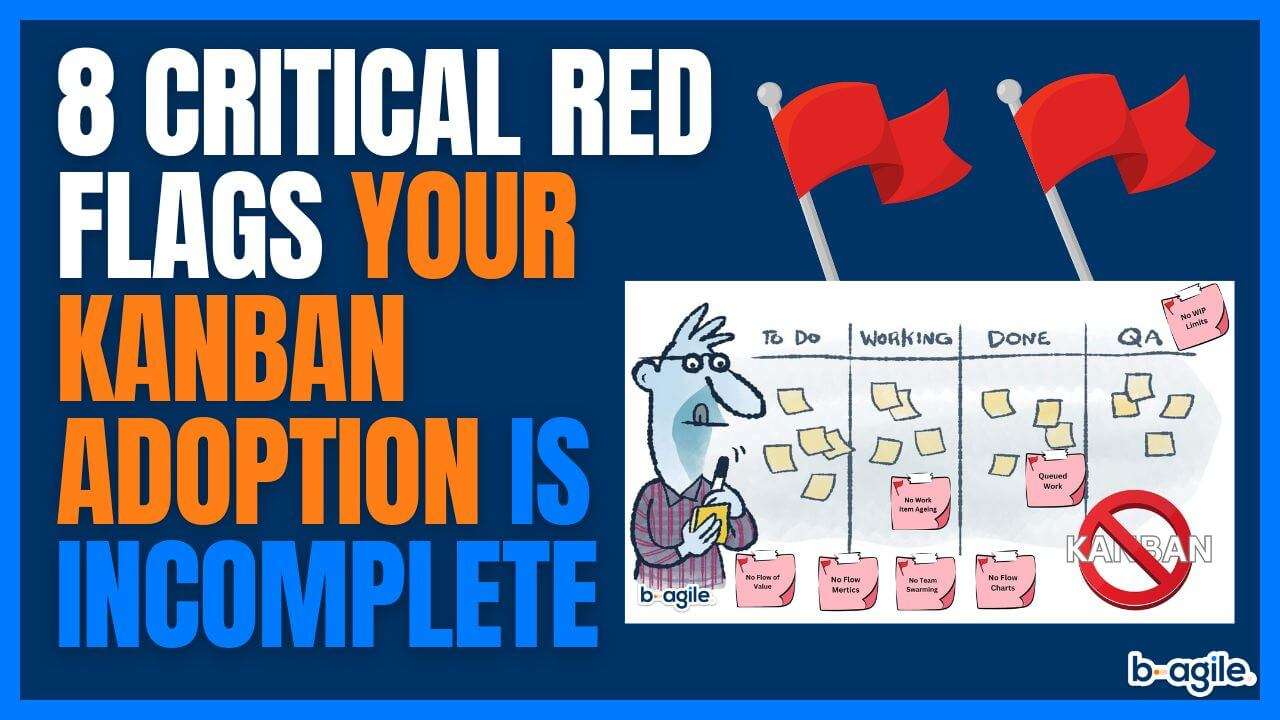
8 Red Flags Your Kanban Adoption Is Incomplete
A board full of stickies is not Kanban. Spot the eight signs your adoption has stalled, then learn the practices, metrics and charts that make it work.
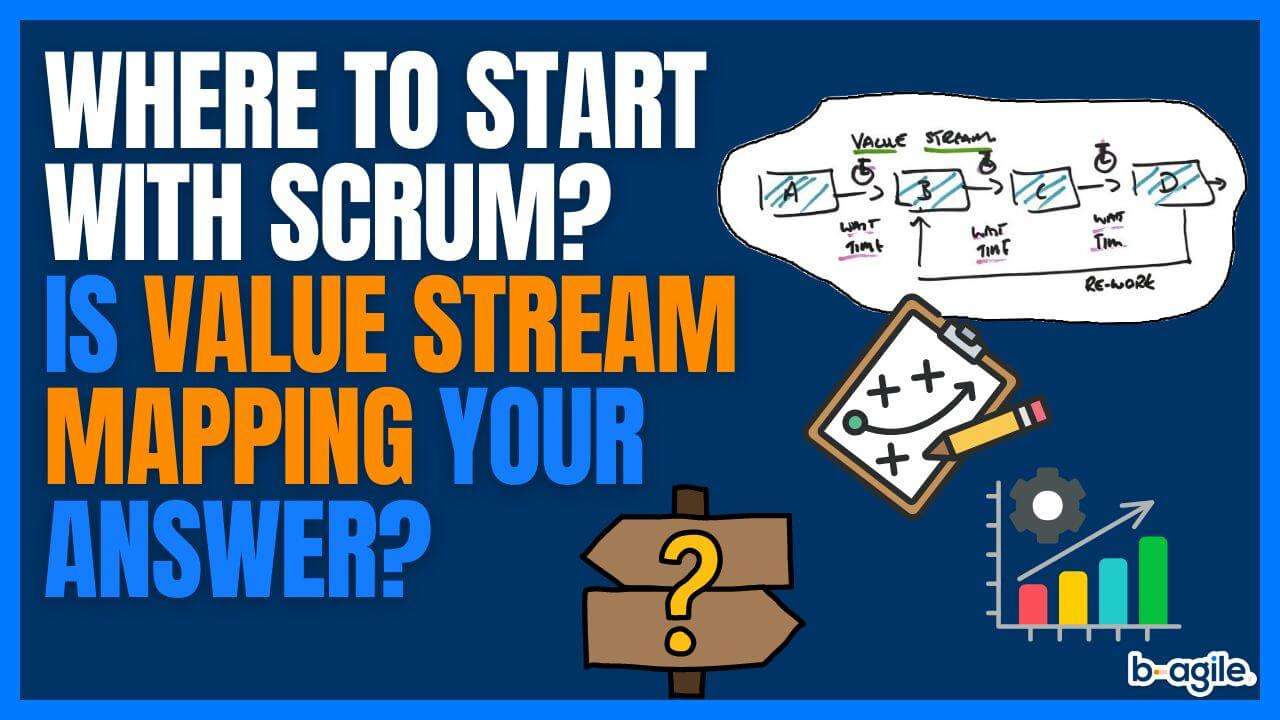
Value Stream Mapping: Where to Start with Scrum?
A team releasing every six months cut deployment to test from 5 days to 15 minutes in six weeks. How value stream mapping found the waste.
Technical Debt: Understanding the Silent Threat
Technical debt quietly raises your cost of change until the product is unmaintainable. Its causes and types, the warning signs, and your real options.
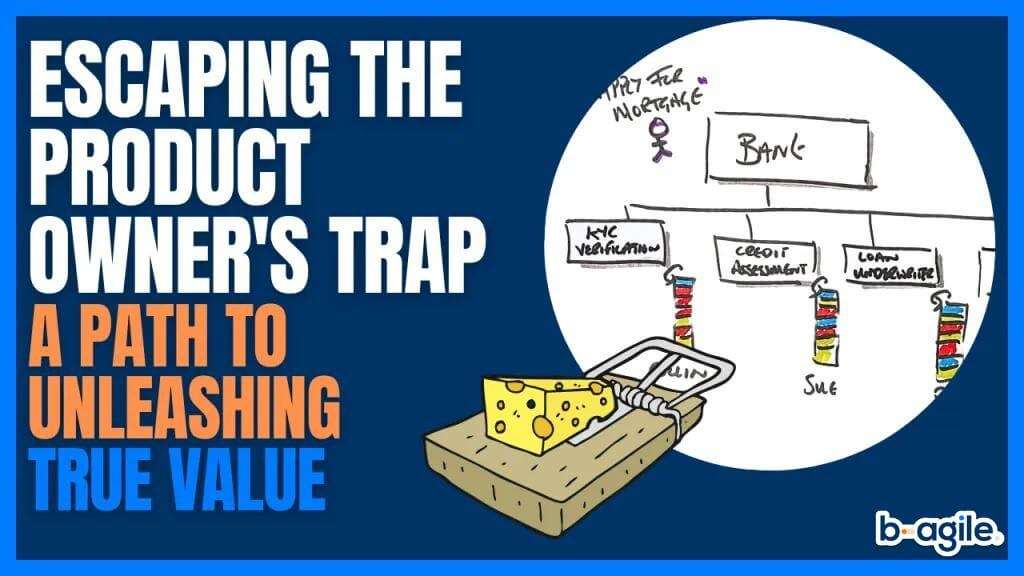
Escaping the Product Owner's Trap
Many Product Owners are really component owners, managing dependencies instead of value. A bank scenario shows the trap, and the 3 V's show the way out.
10 Powerful Tips to Pass the PSPO I Assessment
The PSPO I format, the subject areas, and ten practical tips on preparing and answering, from the Scrum Guide and the EBM Guide to the 3 Vs.
10 Powerful Tips to Pass the PSM I Assessment
The PSM I format, the subject areas, and ten practical tips from a Professional Scrum Trainer on how to prepare and how to answer on the day.
Agile and Scrum: Unravelling the Misconceptions
Agile is not a methodology and Scrum is not a project management system. Clear up the misconceptions that hold teams back and how the two relate.
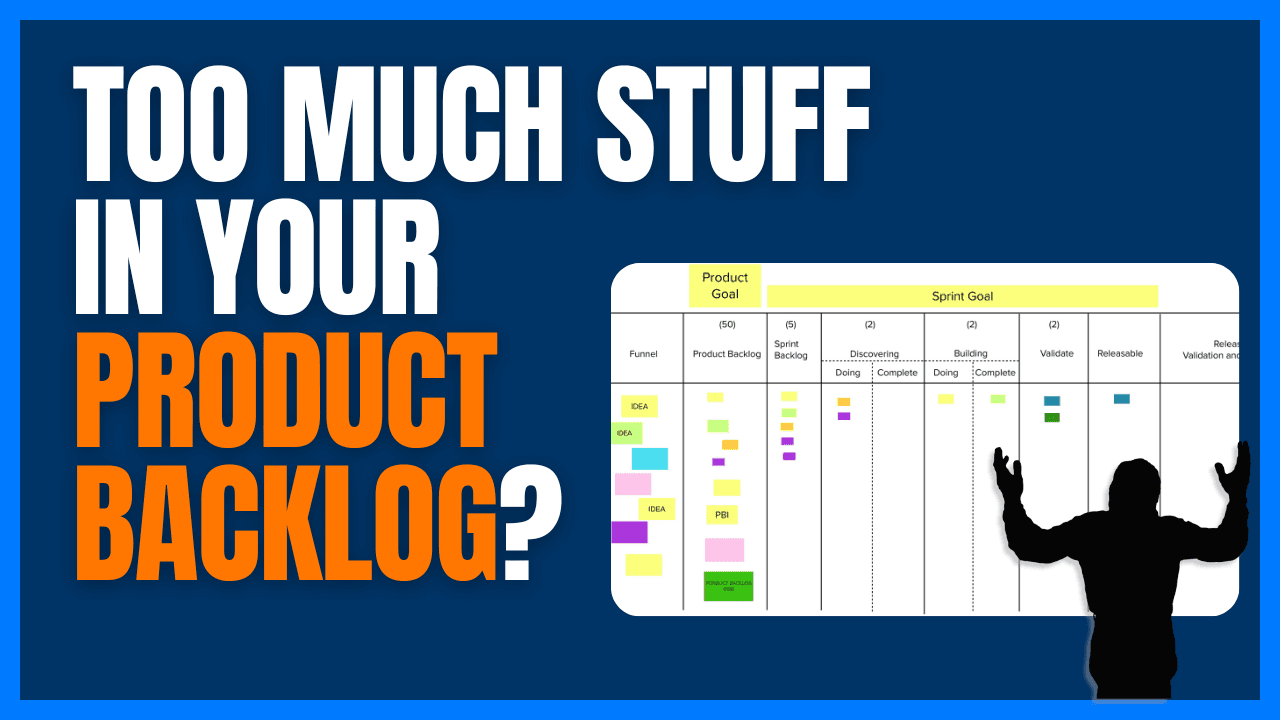
Too much stuff in your Product Backlog?
A Product Backlog that only grows goes stale. Chris shares tried and tested ways to bring it into focus: a vision, a Product Goal, a size limit.

An Astrophotography Journey Using Scrum
How Chris used Scrum to go from a faulty first mount to a remote observatory in Spain: small experiments, Product Goals and learning in the complex domain.
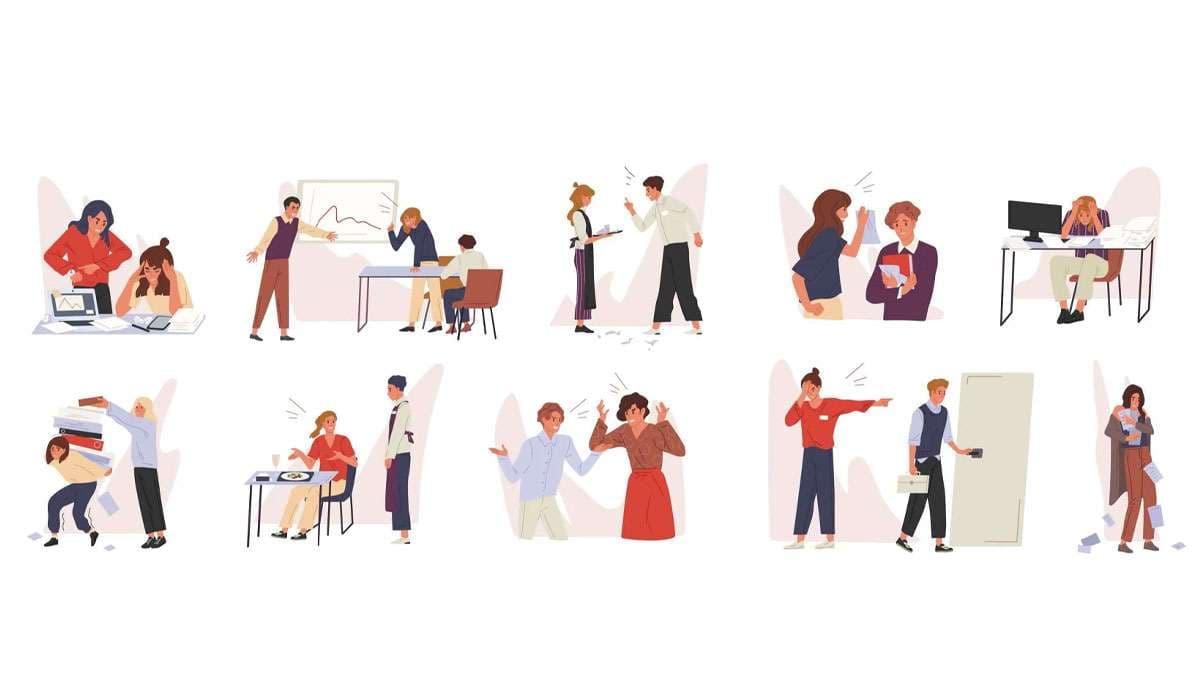
Building Healthy Team Relationships With Feedback
Poor feedback damages confidence, safety and creativity. Learn to notice the knocks to team health and use the COIN method to give feedback that repairs.
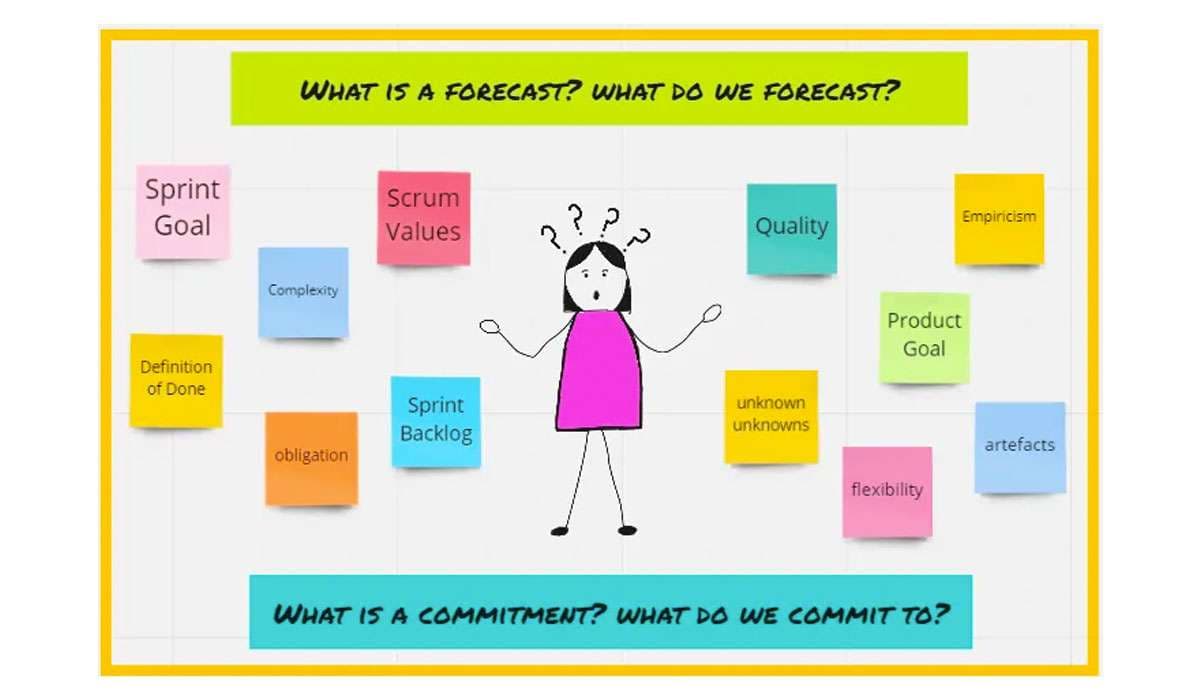
Commitments and forecasts when using Scrum
The items you pull into a Sprint are a forecast, not a promise. Paul traces how the Scrum Guide's language changed and what a Scrum Team really commits to.
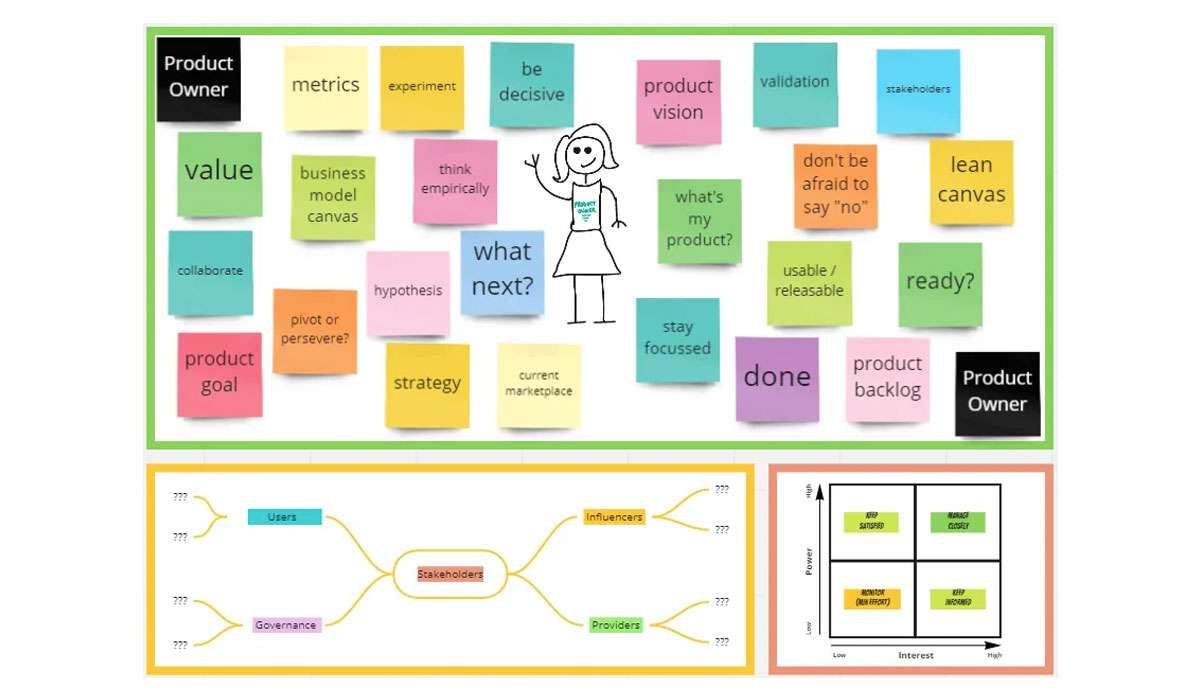
Considerations for a New Product Owner
Starting out as a Product Owner? Paul's checklist covers the product, vision, goal, backlog, stakeholders, metrics and the people who can help.

Giving back: Considerations for a new Scrum Master
Just been made a Scrum Master? Paul shares the 13 things he wishes he had known on day one, from the Scrum Guide to flow metrics and finding your allies.
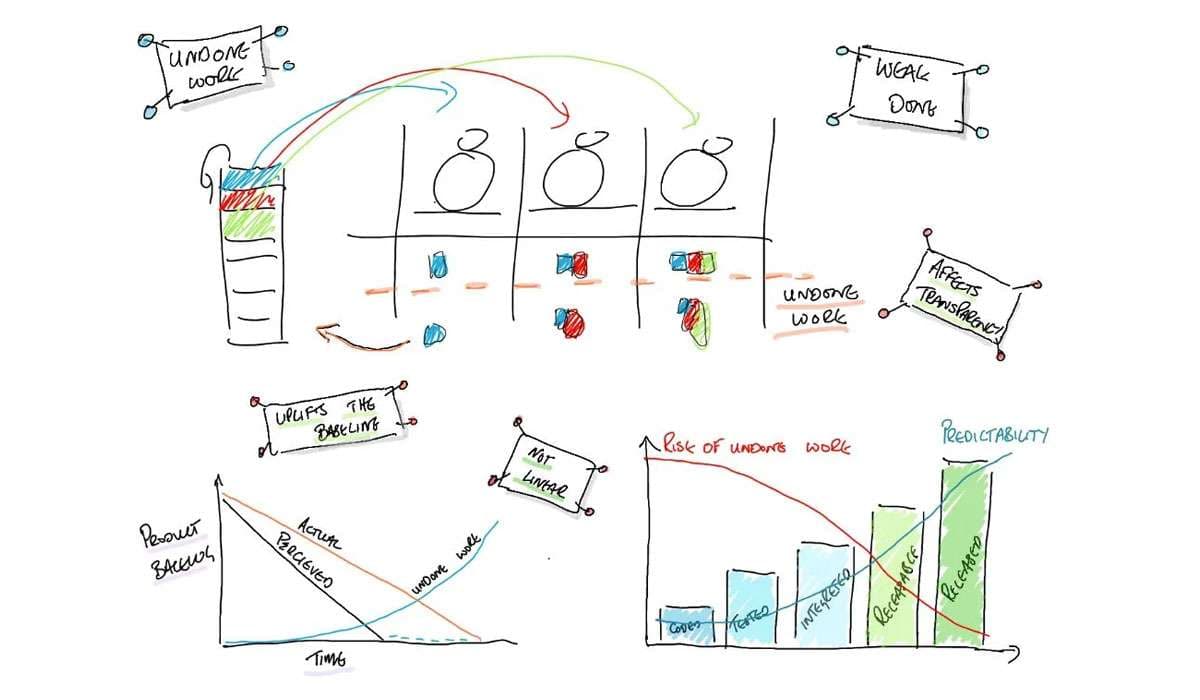
Definition of Done: Where to Start?
No Definition of Done, or one gathering dust in Confluence? Three practical steps take your team from the real workflow to a Done that means releasable.
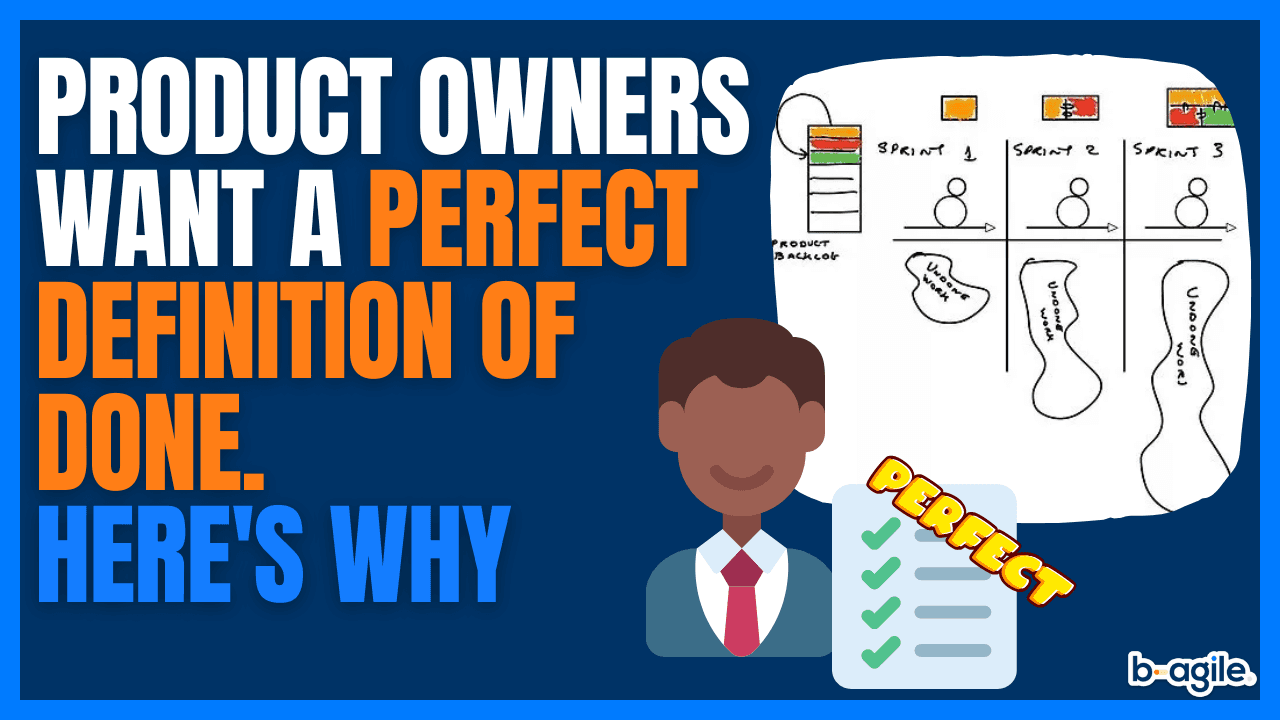
Product Owners Want a Perfect Definition of Done
A weak Definition of Done lets undone work pile up until you cannot release or forecast. Why a releasable Definition of Done gives back control.
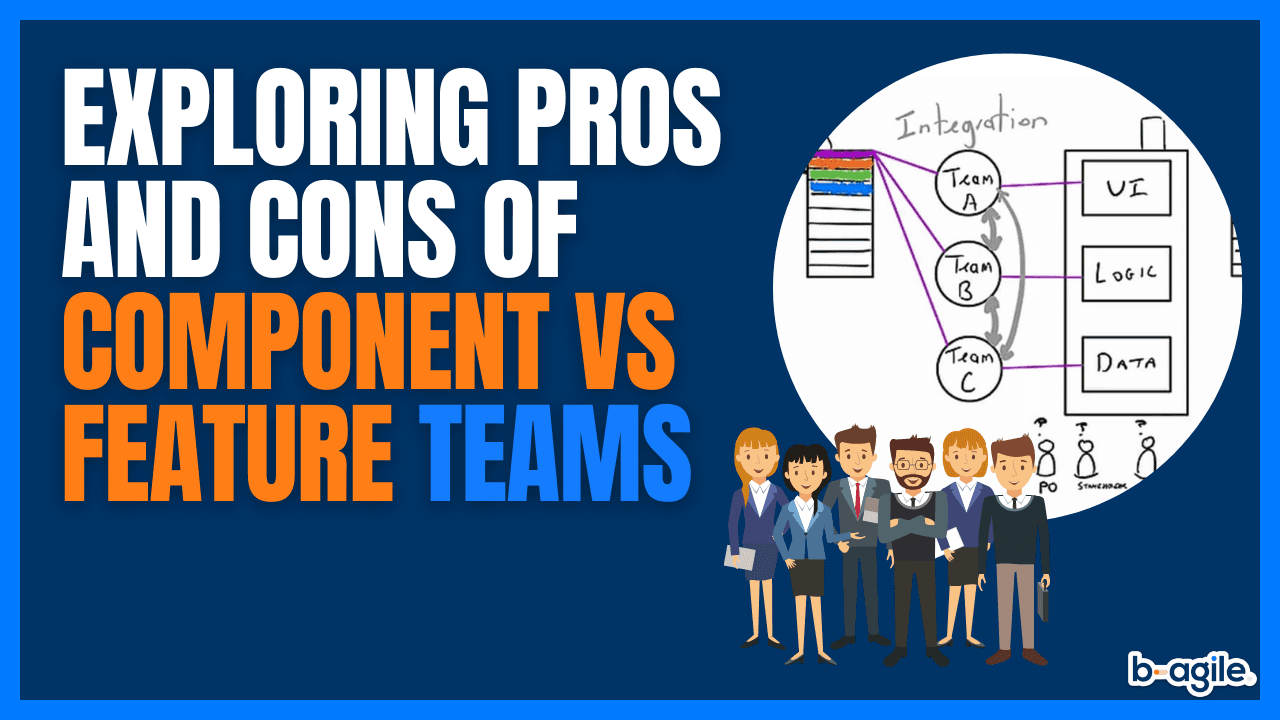
Component vs Feature Teams: Pros and Cons
Component teams slice work by technical layer and need project management to integrate. Feature teams slice by customer value. Compare the impact of each.
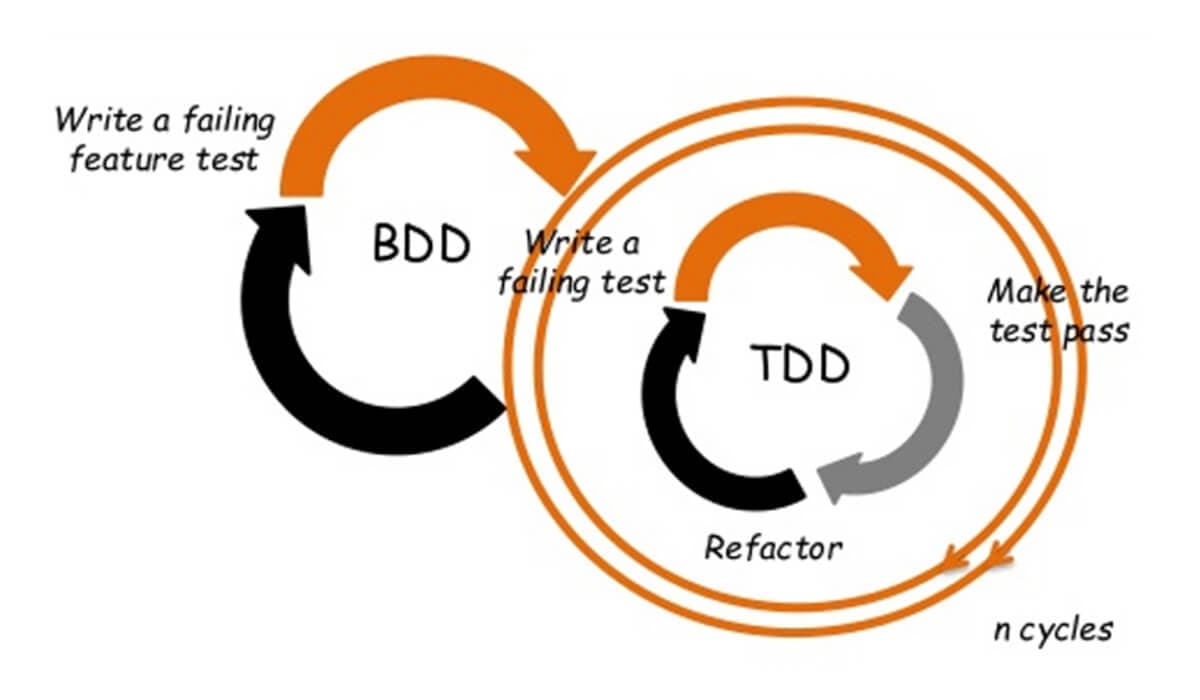
Test First approach sounds simple enough, right?
Test first, TDD, BDD, ATDD: what each practice is for and how they evolved from Kent Beck's XP to Dan North's BDD, so you pick the right one.
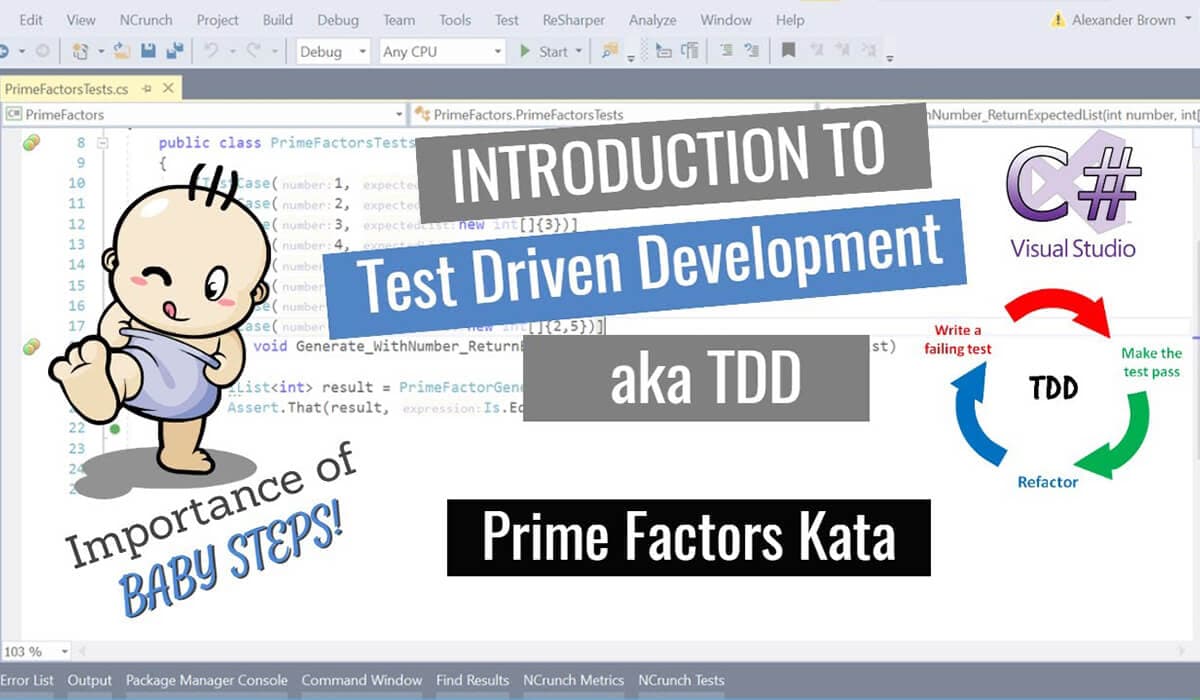
Introduction to Test Driven Development
A real code demonstration of TDD on the Prime Factors kata: why it is more than test-first, why baby steps matter, and how the tests drive the design.
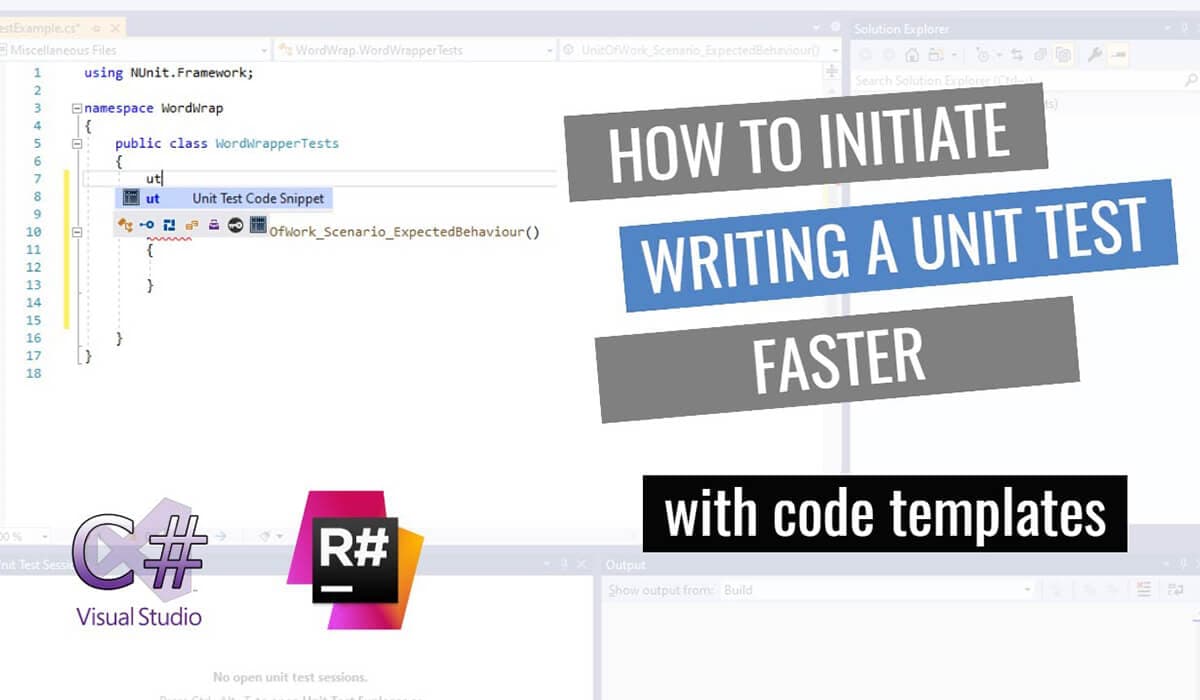
Start a Unit Test Faster With Code Templates
A short video showing how code templates let you start a unit test in a few keystrokes, with consistent naming. Shown in Visual Studio with ReSharper.